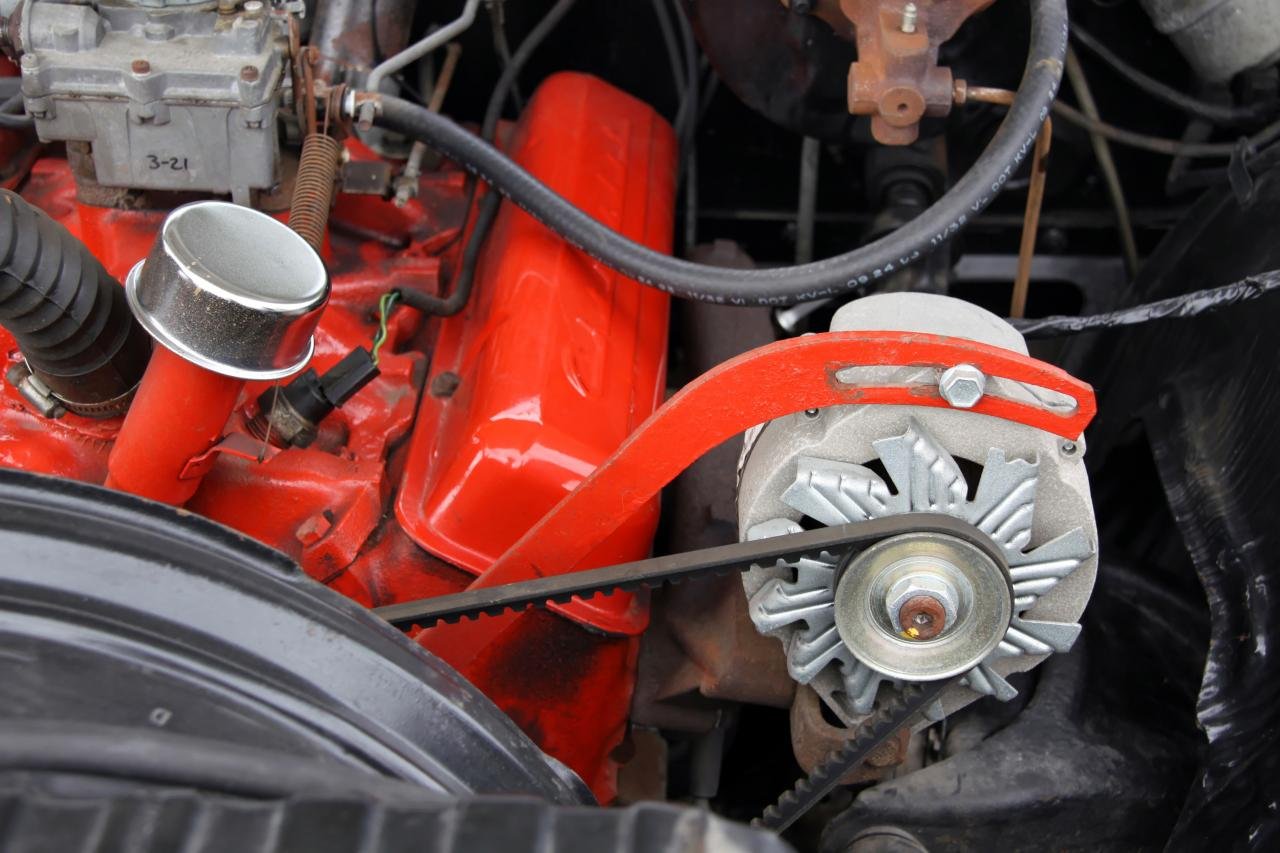
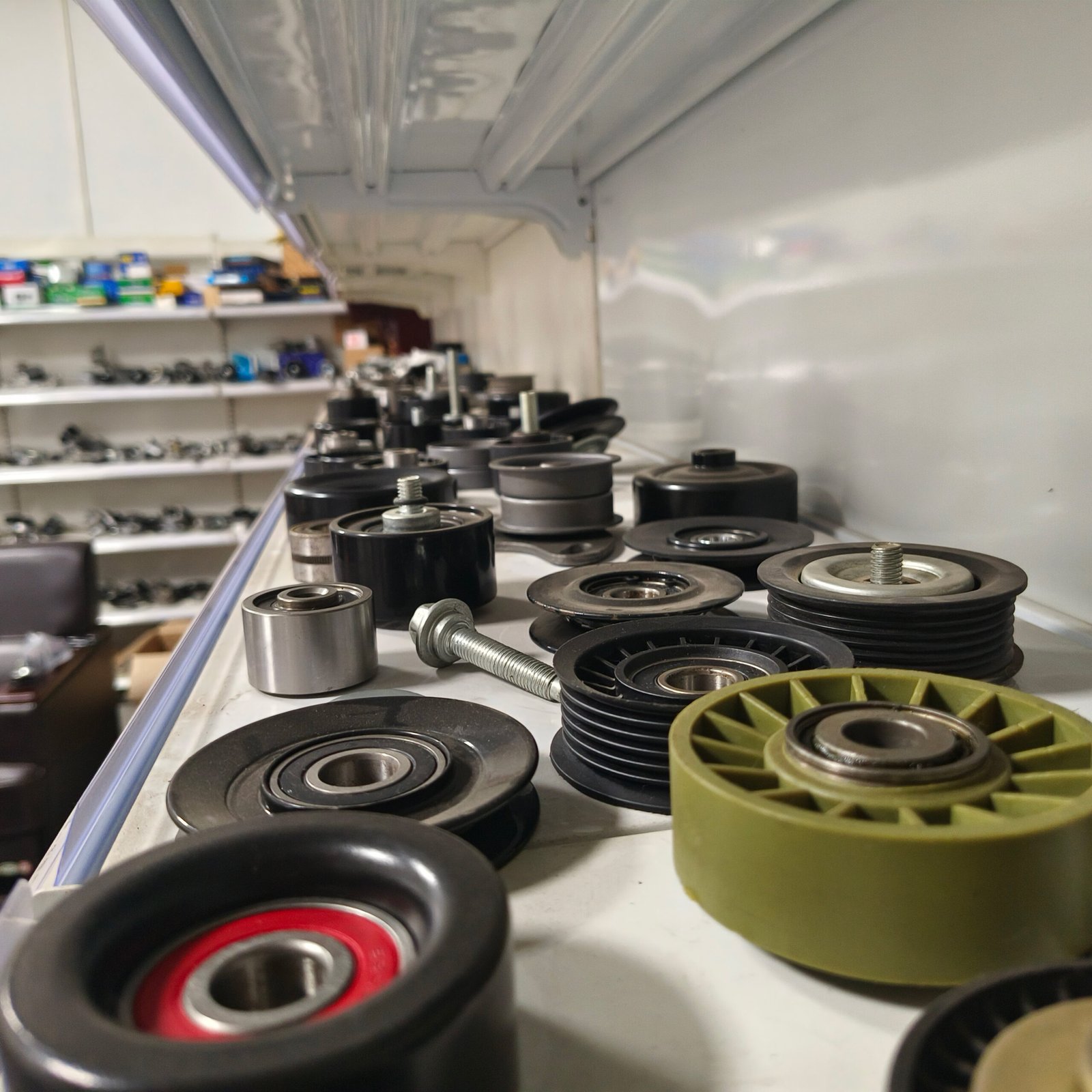
A belt tensioner is a key component in a belt drive system. Its job is to keep the belt tight enough for smooth power transmission and stable operation. In automotive and industrial systems, proper belt tension helps reduce slippage, noise, and premature wear. Belt tensioners are commonly used in systems that drive accessories, machinery, and engine components, where consistent belt performance matters.
How it works
A belt tensioner usually applies force through a pulley, spring mechanism, or adjustable mount. Some designs use a spring-loaded arm that automatically maintains tension as the belt stretches over time. Others rely on manual adjustment or eccentric mounting to set the correct belt tightness. This helps the belt stay aligned and maintain contact with the pulleys during operation.
Main benefits
- Keeps the belt from slipping.
- Helps extend belt service life.
- Reduces vibration and noise.
- Supports stable operation of connected components.
- Improves overall transmission efficiency.
Common applications
Belt tensioners are widely used in automotive engines, industrial machinery, and equipment with long belt paths. In cars, they help drive components such as the alternator, water pump, air conditioning compressor, and power steering system. In mechanical power transmission, they also help maintain wrap angle and reduce belt vibration in longer drive systems.
Why replacement matters
A worn or faulty tensioner can cause belt squeal, poor belt tracking, reduced performance, and faster wear on related parts. If the spring weakens or the pulley becomes damaged, the system may no longer keep the belt under proper tension. Regular inspection and timely replacement help prevent breakdowns and keep the system running reliably.