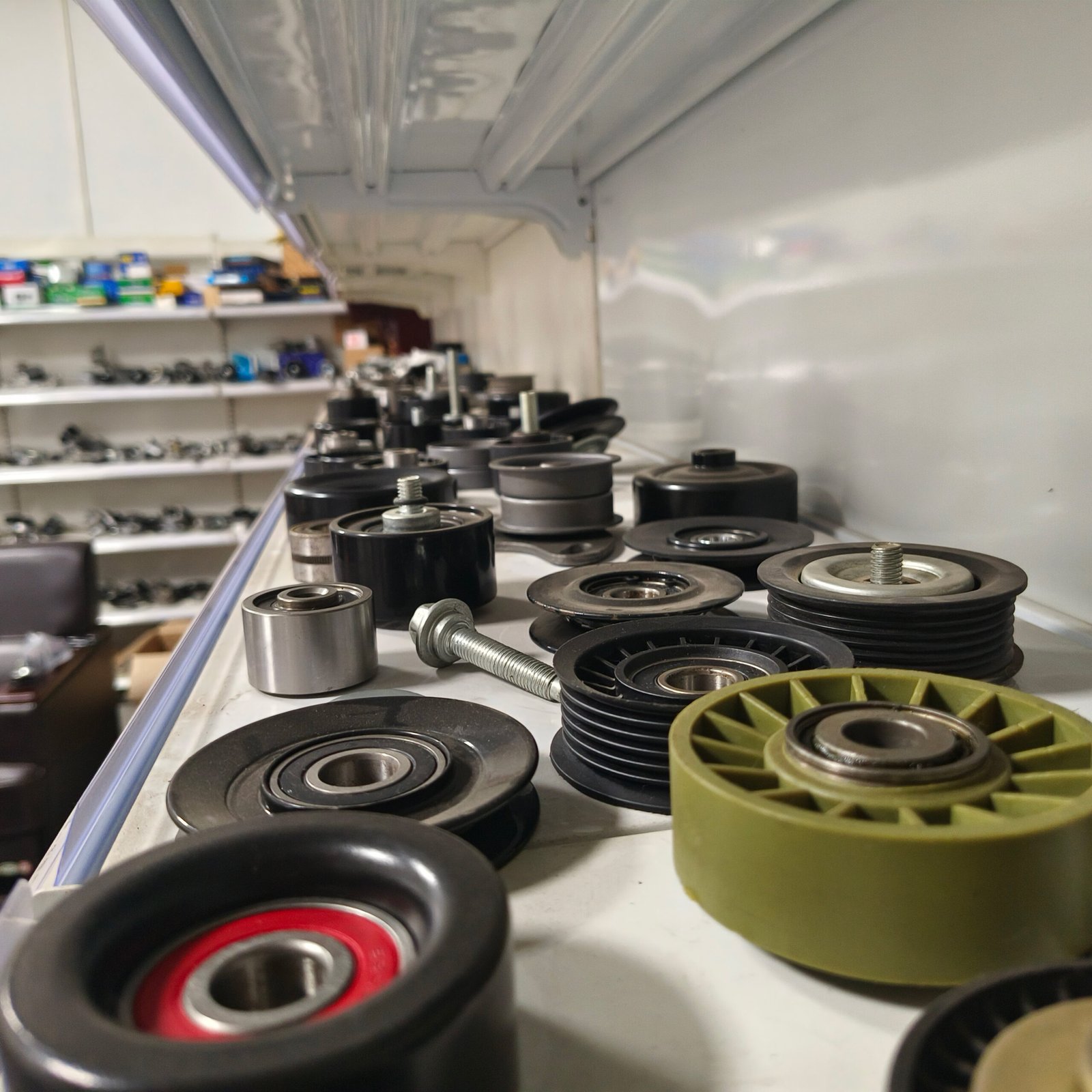
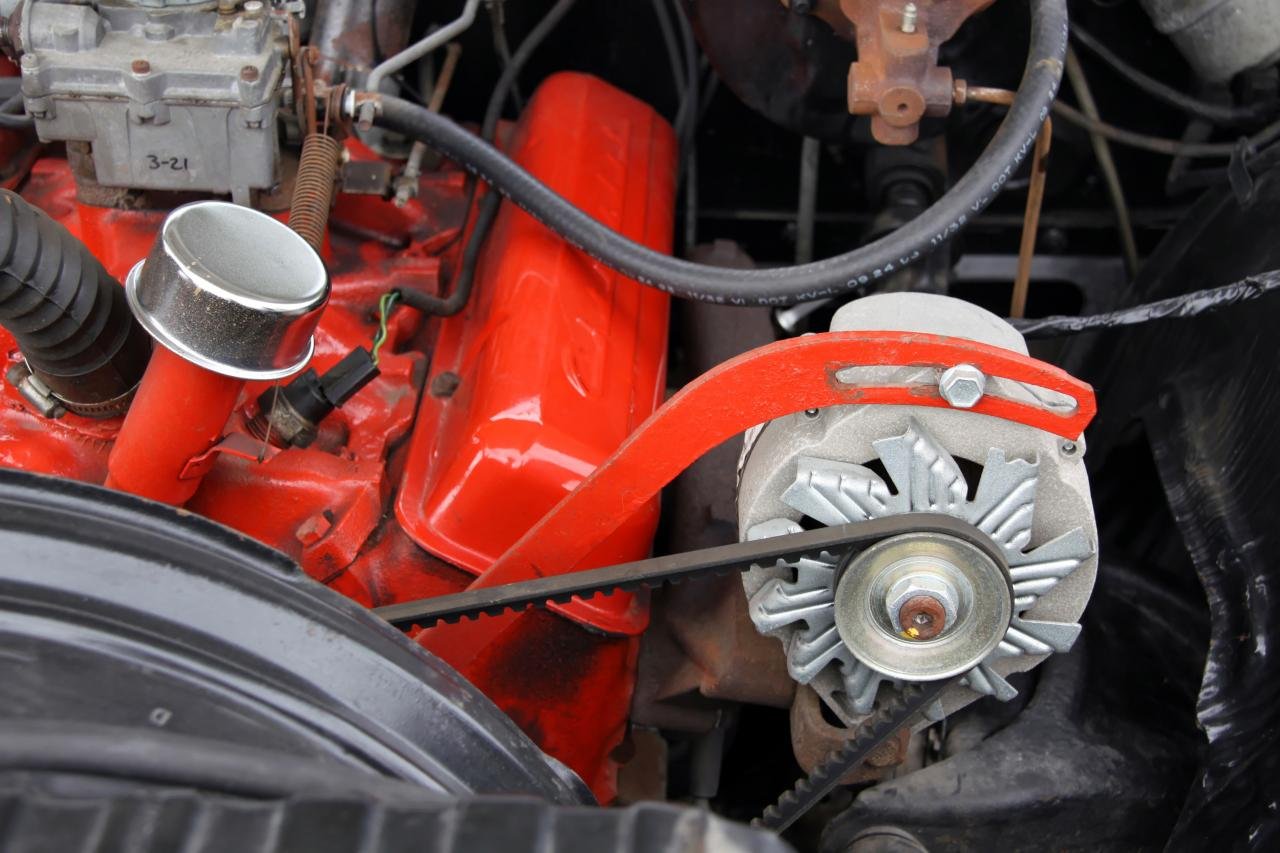
A belt tensioner plays an important role in keeping a belt drive system running smoothly. In automotive and industrial applications, it helps maintain proper belt tension, reduce vibration, and support stable power transmission. When a tensioner starts to fail, it can affect the performance of the entire system and lead to unexpected downtime.
Understanding the warning signs of a worn belt tensioner can help buyers, distributors, and maintenance teams make better replacement decisions. For companies working with engines, machinery, or belt-driven equipment, timely inspection and replacement are essential for long-term reliability.
Common signs of belt tensioner failure
A failing belt tensioner often shows clear symptoms before complete breakdown. Common signs include abnormal squealing noise, belt slipping, unstable belt tracking, and visible pulley wear. In some cases, the tensioner arm may feel loose or fail to maintain consistent pressure on the belt.
Other warning signs may include vibration during operation, reduced performance of belt-driven components, or uneven wear on the belt surface. Once these issues appear, the tensioner should be inspected as soon as possible to avoid further damage.
Why belt tensioner quality matters
The performance of a belt tensioner depends on its structure, materials, and bearing quality. A low-quality tensioner may wear out faster, generate more noise, or fail to keep the belt properly aligned. For industrial buyers and overseas distributors, product reliability is especially important because it affects machine uptime, maintenance cost, and customer satisfaction.
A stable belt tensioner helps improve the service life of the belt and reduces the risk of system failure. That is why many buyers prefer durable products with precise manufacturing and consistent performance.
How to choose the right replacement
When selecting a replacement belt tensioner, buyers should check compatibility first. The replacement part must match the application, belt size, mounting position, and operating conditions. It is also important to confirm whether the system uses an automatic or manual tensioner structure.
Material quality, bearing smoothness, and pulley design should also be considered. For export customers, choosing a supplier that can provide stable quality, clear specifications, and professional support can save time and reduce after-sales problems.
Maintenance and inspection tips
Regular inspection can help extend the service life of the belt tensioner system. Check for unusual noise, pulley damage, belt cracks, and abnormal movement during routine maintenance. If the tensioner spring becomes weak or the pulley bearing starts making noise, replacement should not be delayed.
For equipment manufacturers, distributors, and maintenance companies, preventive replacement is often more cost-effective than emergency repair. A well-maintained belt drive system improves machine stability and supports better overall operation.
Why buyers care about this component
Although a belt tensioner is a small part, it has a direct impact on system performance. In export markets, buyers often look for products that are durable, easy to install, and suitable for long-term use. A high-quality tensioner can help reduce service complaints and strengthen product reputation.
For this reason, many foreign trade companies highlight tensioner quality, compatibility, and performance when introducing related products to international customers. Clear product information and reliable supply are key factors in building trust.